|
One of the holy
trinity, Shiva is a living god. The most sacred and most
ancient book of India, the Rig Veda evokes his presence in
its hymns. Vedic myths, ritual and even astronomy testify to
his existence from the dawn of time. But Shiva, the
destroyer, the mendicant, is undefinable: he is the great
yogi, the guardian of the absolute. His actions are the
themes of the myths in which his nature unfolds.
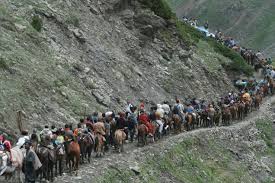
"The Himalayan pilgrimages are the oldest organised travel
system, evolved over time by Hindu sages and embodying the
spirit of wander, adventure and spirituality"
Shiva, in the form of a lingam, is formed naturally of an
ice - stalagmite One of the holy trinity, Shiva is a living
god. The most ancient and sacred book of India, the Rig Veda
evokes his presence in its hymns. Vedic myths, ritual and
even astronomy testify to his existence from the dawn of
time.
Shiva is known to have made his home in the Himalayas. He
built no house nor shelter, not for himself or his bride. He
was an ascetic, and yet married; he could be both for "he
was the wild god sporting in the forest or taking his ease
on a cloud."
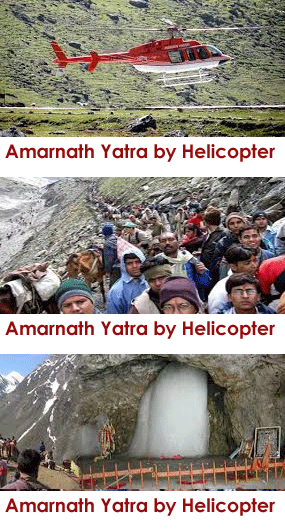
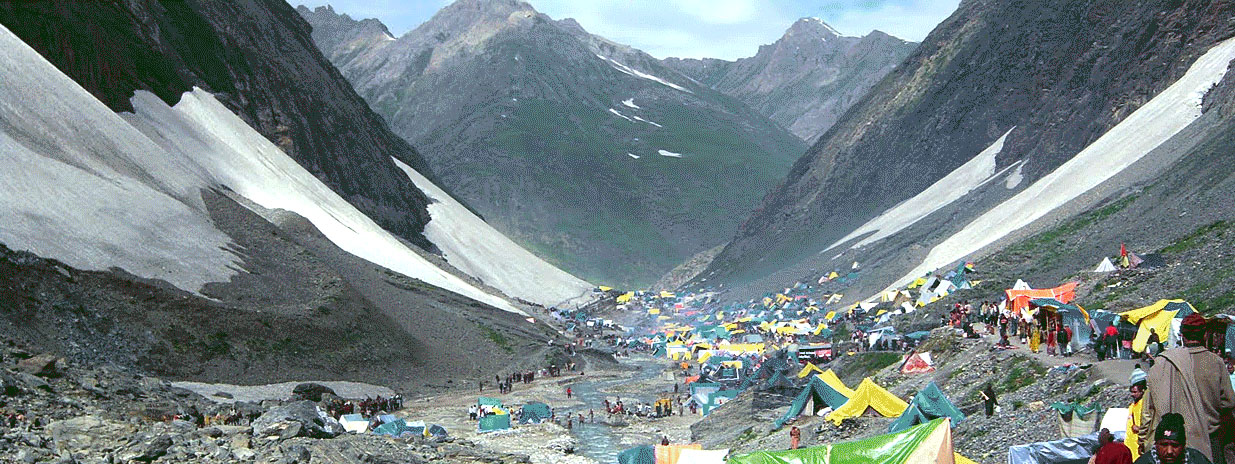
The trek to
Amarnath, in the month of Shravan (July-August) has the
devout flock to this incredible shrine, where the image of
Shiva, in the form of a lingam, is formed naturally of an
ice-stalagmite, and which waxes and wanes with the moon. By
its side are, fascinatingly, two more ice-lingams, that of
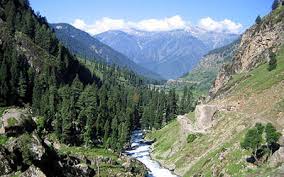
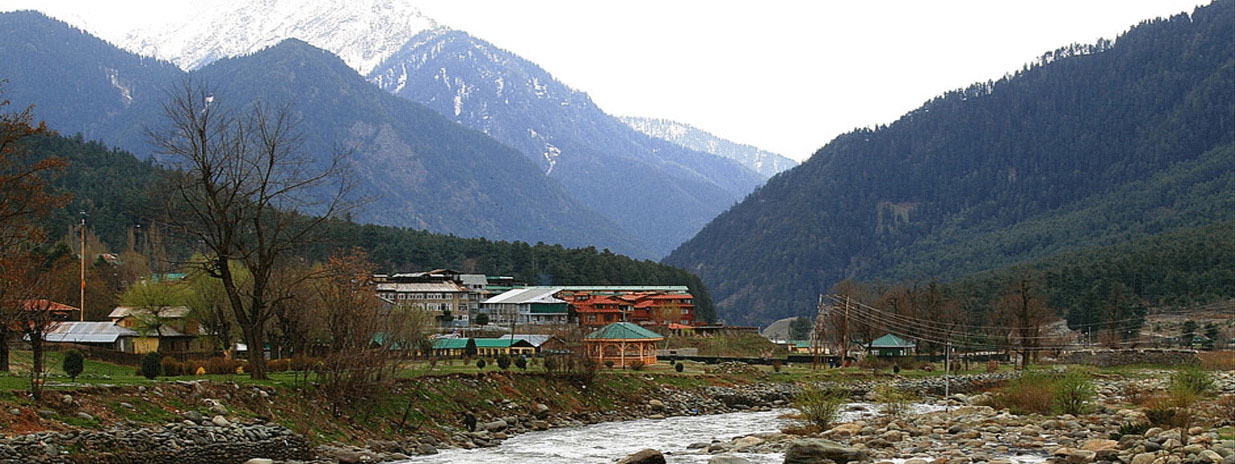
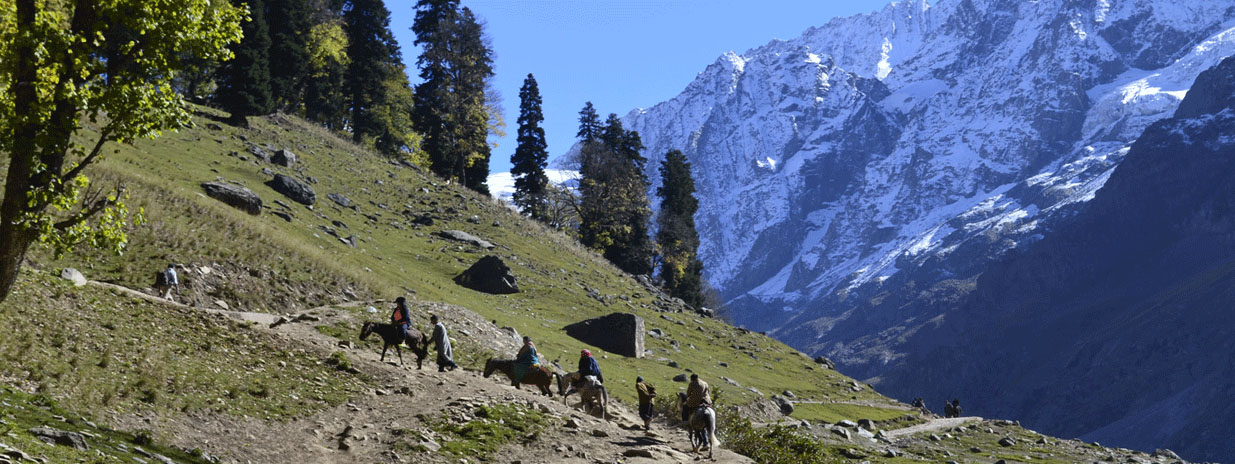
Parvati, and of their son, Ganesha. the trek from Pahalgam to Amarnath cave is on an ancient
peregrine route. The 45-km distance is covered in four days,
with night halts at Chandanwari, Sheshnag (Wawjan) and
Panchtarni. The distance from Pahalgam to Chandanwari (12.8
km) is covered in about five to six hours, and the trail
runs alung the Lidder river. Pilgrims camp here on the first
night out. A major attraction here is a bridge covered, year
round, with ice even though the surroundings are free from
it.
|




 1
1 2
2 3
3 4
4 5
5 6
6 7
7 8
8 9
9 10
10 11
11 12
12 ms
will be covered in about 4-½ hrs. Dinner and overnight stay
in tents at Chandanwari.
ms
will be covered in about 4-½ hrs. Dinner and overnight stay
in tents at Chandanwari.